




















For businesses most businesses, podcasting creates an opportunity to showcase expertise, tell meaningful stories, build relationships, and keep customers engaged beyond traditional marketing channels. A podcast can support everything from lead generation and networking to customer trust and long-term brand growth thus becoming an increasingly useful part of a modern content strategy.
13 Entrepreneurs explain how they use their podcasts to grow their businesses

I’ve used podcast appearances as a way to talk about the things I’ve learned from building a software business and working with clients, rather than using every appearance as a sales pitch. I’ve found that people get a much better sense of how you think when they hear you explain a real problem or experience in your own words. For Zibtek, that has helped us build familiarity with people who may not have known the company otherwise. A podcast appearance may not turn into a lead immediately, but it can put the company and my perspective in front of the right audience.
Thanks to Cache Merrill, Zibtek!
2. Trust-building for my marketing funnel

For me, podcasting isn’t really a discovery tool; it’s the place people land after they’ve already found me on social media. It sits right in the middle of my funnel, that nurture space where people get to know, like, and trust me properly before they’re anywhere near ready to work with me. It’s also become one of the best network-building tools I have. I’ve recorded 338 episodes now, and roughly half have been with guests, which has meant meeting incredible people, building real collaborations, and growing my own circle just as much as my audience.

Thanks to Mariah, Content Queen Mariah!
3. Proof of work and thought

For me, the podcast is proof of work and thought. After more than twenty years making a living through words and ideas, first writing political speeches and then building brands, I realised that in an era where anyone can produce a polished article or a thought-leadership post in seconds, it’s increasingly hard to tell where the thinking has come from. The podcast, StoryWork with Matt Jones, is my answer. StoryWork is how I show my working. It builds credibility in a way that a white paper or a keynote never quite can, because you can’t fake a genuine exchange or a real-time response.
Thanks to Matt Jones, StoryWork!
4. Address real business problems

I use my podcast as both a conversation platform and a way to address real problems business owners face. For example, during an episode, I might discuss why a local business is struggling to generate consistent leads, then share practical solutions such as improving its customer acquisition process, refining its marketing strategy, or using the right digital channels. The goal is to make every episode useful first, while also showing potential clients how we approach real-world challenges.
Thanks to Afnan Shaikh, Pixel Dot Media!
5. Build trust

With dewwie, our skincare guidance app, I wanted people to meet the experts helping us shape the platform and hear their knowledge in a longer-form context. A low-fi podcast felt like the best way to do that, and the decision was absolutely strategic. The podcast allowed us to build trust by showing users how our experts speak and approach skincare, something the industry tends to hide behind marketing talk. From a growth perspective, each conversation also gave us material we could repurpose into short social clips.

Thanks to Minnie Isaac, White Rabbit Social!
6. Educate potential customers
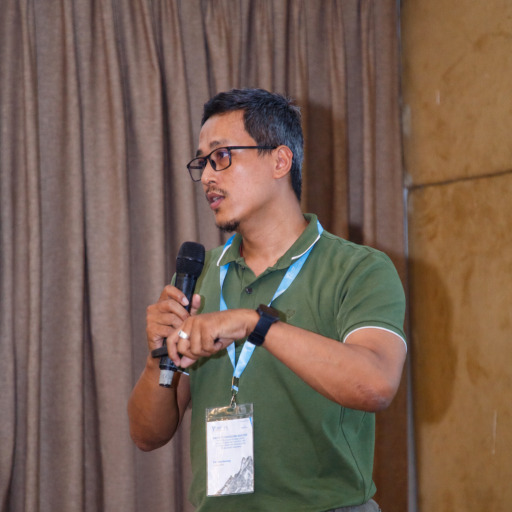
We run our podcast primarily to educate potential customers about what actually goes into web scraping and data extraction. Many businesses see scraping as a one-time task: “collect this data and deliver it.” In reality, websites change, anti-bot systems evolve, data structures break, and maintaining a reliable pipeline requires ongoing engineering. Through our podcast, we share the challenges, processes, and lessons behind data extraction so customers can better understand the work involved. This education naturally demonstrates our expertise and helps potential customers make better decisions when working with data providers.
Thanks to Tara Gurung, Jyaba!




11. Build relationships and business opportunities

I don’t think of my podcast as simply a content channel… I think of it as a relationship-building and business development tool. Hosting ‘The Intentional Money Show’ gives me a reason to sit down with smart people I want to know- industry leaders, potential collaborators, and sometimes even potential clients and have a meaningful conversation and connection. My podcast has led to referrals, collaborations, speaking and media opportunities, and just really interesting conversations that would have been much harder to create cold. For me, the real ROI of podcasting isn’t just downloads. It’s the relationships, profile, reputation, and sales opportunities it creates around the content.
Thanks to Clare Wood!
12. As a relationship and education platform

Thanks to Garima Singh, AI2Easy!








 |