


1. The discipline of treating business like a client

The resource that changed how I operate ShadowHQ was building the discipline to treat my own company like a client. We started stress-testing our own processes and documenting playbooks, assigning clear ownership, and creating a structure that doesn't depend on one person. When you do this, you stop being the bottleneck. If your response capability collapses when a key person is unavailable, you have a dependency. Building the business to run without me in every room allowed us to scale.
Thanks to Nick Scozzaro, ShadowHQ!
2. AI workflow automation tool

The single resource that changed how I run Green Planet Cleaning Services was adopting an AI workflow tool to handle weekly administrative and strategic tasks like financial summaries, reviewing recurring client rates, drafting communications, and preparing PR content. Before that, I was deep in daily operations with no time to think about the business. Once I delegated research and reporting to AI, I reclaimed 8–10 hours weekly and focused on refining pricing, evaluating expansion, and building relationships, improving the recurring revenue rate to 82%.
Thanks to Marcos De Andrade, Green Planet Cleaning Services!
3. Claude code AI system

The resource that helped me work on the business instead of being constantly in it was Claude Code. It gave me a way to step out of execution mode and think more strategically about how the business was growing. I used it to research SEO opportunities, explore Google Trends, organise content ideas, and pressure-test website copy. Instead of reacting to tasks, I could spot patterns, clarify priorities, and build systems with intention, improving visibility and reducing mental load, while focusing on long-term growth.
Thanks to Stephanie Morrison, Weary Theory!
4. Opportunity radar intelligence system

One resource that has helped many entrepreneurs shift from working in the business to working on the business is a business intelligence system called Opportunity Radar. It creates a daily habit of scanning key areas like marketing, offers, client experience, operations, and partnerships to identify overlooked opportunities. By turning opportunity detection into a structured process, it helps move from reactive problem-solving to proactive decision-making, allowing entrepreneurs to focus on guiding the business strategically and maximizing impact.
Thanks to Vered Ohanna, Success Engineering!
5. Remote collaboration platforms

Working on the business became easier once I embraced remote collaboration tools like Fiverr and Zoom. To create promotional content, I could source experienced specialists globally and collaborate instantly without managing agencies, studios, or travel. For example, I hired a UK-based voice artist with a professional home studio and directed the session over Zoom, completing the audio the same day. Using Fiverr and Zoom reduced coordination, eliminated operational friction, and freed up time to focus on higher-value strategic work.
Thanks to Jo Yates, Bricks & More!
6. Weekly leadership review system

The resource that helped me work on the business instead of in it was a simple weekly leadership routine. Early on, I realised the problem was not a lack of ideas, it was a lack of space to think. Blocking time each week to review numbers, identify bottlenecks, and decide the few priorities that actually move the business forward changed everything. That rhythm forces you out of reactive mode and into leadership mode. Most business owners know what they should be improving; they just never stop long enough to address it. A structured weekly review creates that pause and turns strategy from a nice idea into a consistent habit.
Thanks to Morgan Wilson, Creditte!
7. Data-driven feedback system

The resource that helped me shift from working in the business to working on it was a commitment to structured feedback and data-driven decisions. Early on, I got overwhelmed handling customer questions, inventory, and daily operations. What changed everything was tracking client needs and reviewing feedback, sales patterns, and clinician recommendations regularly. This disciplined process helped me step back, spot patterns, and prioritize improvements that mattered, moving from reaction mode to strategic growth and building better products and systems.
Thanks to Kieran Sheridan, Gulf Physio!
8. Structured customer feedback system

What helped me shift from working in the business to on it was a simple system for tracking real results and feedback over time. Early in PowerYourCurls, I was always reacting, answering questions, fixing issues, and managing orders. I felt stuck in daily tasks. When I started collecting consistent feedback from clients about what truly improved their hair and what didn’t, a clearer picture emerged. I used that insight to refine our product range, streamline customer support, and set priorities that aligned with real needs. That resource, structured feedback, and consistent review gave me space to step back and make decisions that drive long-term growth.
Thanks to Faisal Ahmed Hammadi, PowerYourCurls!
9. Unified SaaS operational system

The turning point was centralizing operations into one unified SaaS system. As a SaaS founder, I was stuck in daily operations until I built an operational dashboard that reduced routine coordination time by over 30% by eliminating tool switching and unclear ownership. Most founders stay in the business because processes depend on them. By creating systems with clear visibility and ownership, teams move faster without oversight. This shift connected execution, communication, and accountability, allowing me to step back and run the business.
Thanks to Gregory Shein, Corcava!
10. Internal process management systems

The biggest shift for me in working on the business instead of in it came from building simple internal systems rather than relying on memory or constant involvement. Early on, everything depended on me, which meant I was stuck in day-to-day execution. The turning point was creating clear processes, task ownership, and visibility across the team so work could move without my direct input. We started documenting how things get done, assigning clear responsibility, and using tools to track execution in real time. It sounds basic, but having structured systems in place frees up time to focus on growth, strategy, and decision-making instead of constantly firefighting.
Thanks to Deepak Shukla, Pearl Lemon Group!
11. Employer of record model

Thanks to Oscar Andersson, EORQuotes!
12. AI assistant automation system

The resource was building an AI assistant that handled 70% of daily operational tasks. I was drowning in client onboarding, scheduling, content calendars, and reporting with little time for strategy. The turning point came after a two-week time audit that revealed most time was spent on execution. Once I automated repeatable tasks and built systems, I shifted focus to partnerships, new offerings, and client relationships, moving from working in the business to driving growth and improving revenue.
Thanks to Tim Akdemir, Aslan Intelligence!
13. Weekly business focus system
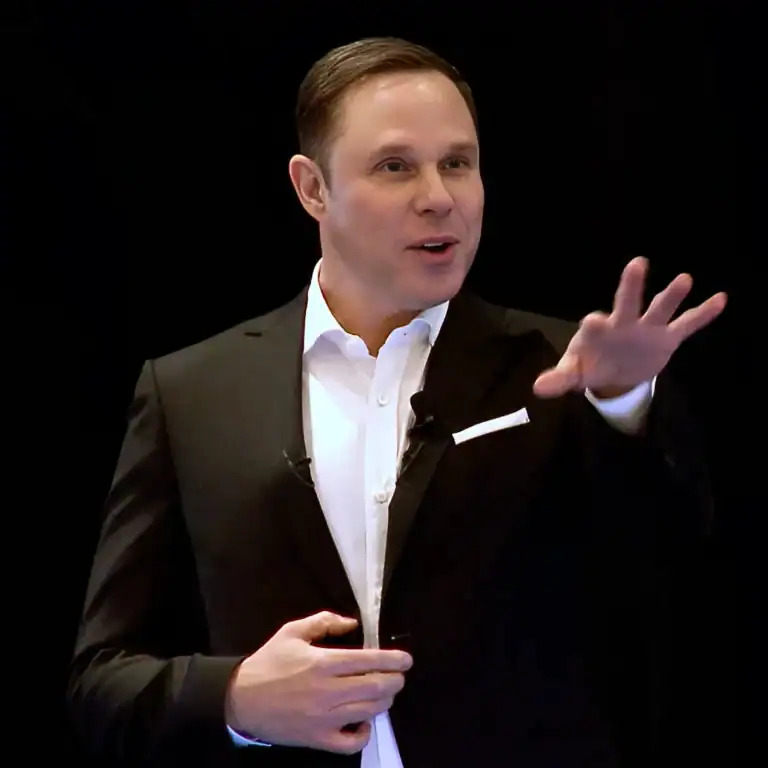
Thanks to Randy Charach
14. Plug-and-play operational system
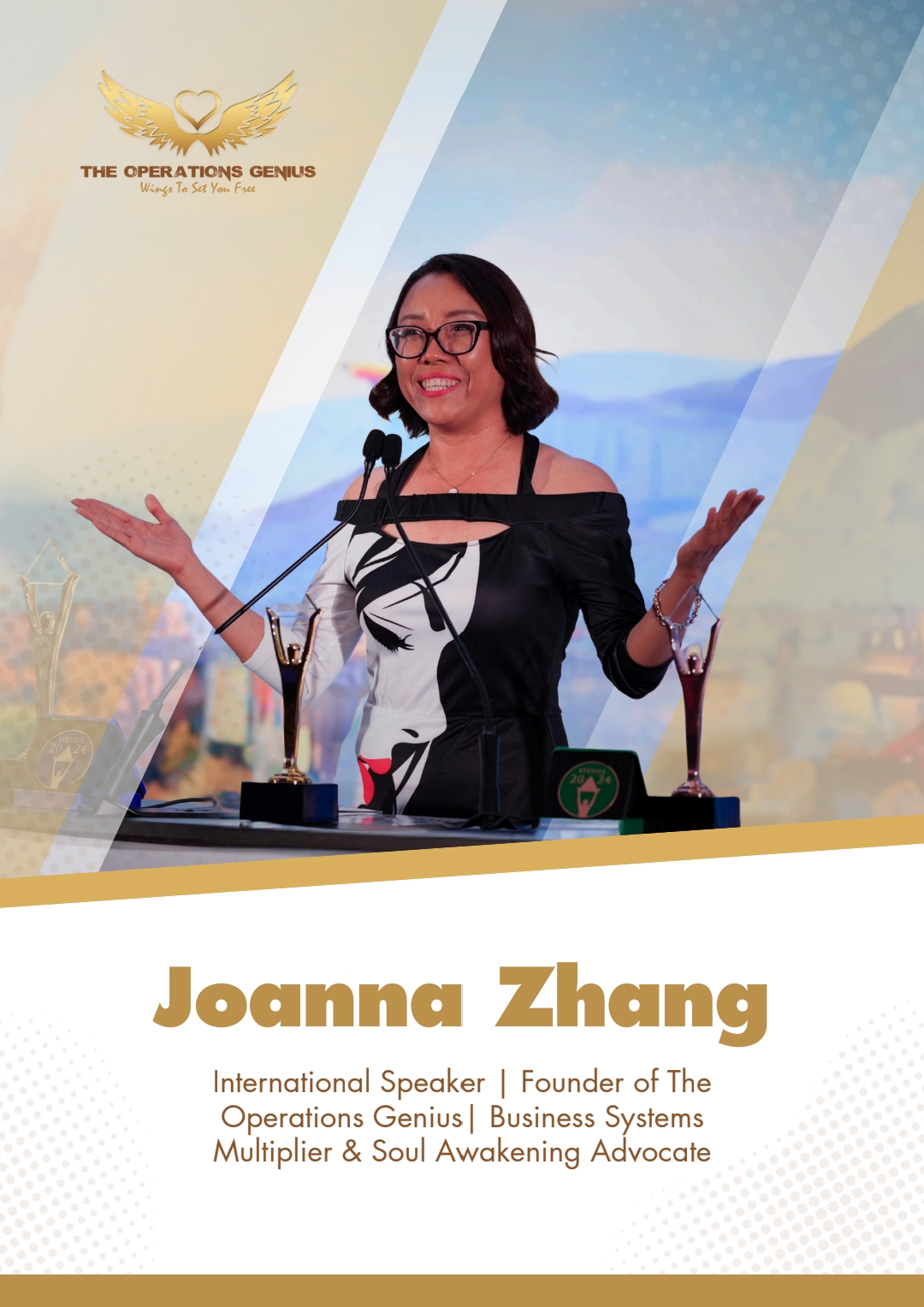
The most impactful resource that helped me shift from working in the business to working on it was building a plug-and-play operational system supported by a fractional team. Early on, I was stuck in execution due to over-involvement. Implementing decision frameworks, delegated authority, and clear systems allowed the business to run without constant input. This created space for strategic thinking, partnerships, and growth, enabling me to focus on leadership and scale the business independently and more efficiently.
Thanks to Joanna Zhang, Operations Genius!
15. Media intelligence SEO tools

To grow MKB Media Solutions, I shifted from traditional lead-hunting to using journalist databases and media intelligence tools to organize and analyze client data. Instead of focusing on daily outreach tasks, implementing automated SEO analysis helped us evolve from a tactical to a strategic organization. By prioritizing premium placement and reducing administrative work, we achieved a 320% increase in ROI. Using data-driven tools to eliminate operational noise created clarity, enabling better decisions and long-term business growth and authority.
Thanks to Matt Baharav, MKB Media Solutions!
16. ProfitMindAI business intelligence tool

The single most valuable resource that helped me shift from working in my business to working on it is ProfitMindAI. This is a powerful team resource valued at $5 million, and I have exclusive access to it, which I also offer to my clients. ProfitMindAI provides deep insights and expert support that allow me to focus strategically rather than getting caught up in day-to-day operations. Thanks to this resource, my clients are already seeing improvements, and I am confident it can transform any business by enabling smarter decisions and clearer delegation.
Thanks to Vincent Hovorka
17. Notion

The biggest shift was reading The E-Myth Revisited and using Notion as an operating system. The book highlighted how focusing only on execution stalls growth. I built a dashboard that forces time on strategy like partnership outreach, SEO architecture, and integrations, instead of support tickets and minor tweaks. This structure helped me move beyond busyness and focus on growth. Combining mindset and systems allowed me to step out of daily tasks and work on building the business more effectively.
Thanks to Allen Tellis, WatchRoster!
18. Marketing analytics system

It really came down to building a strong marketing system instead of chasing tools. I’m talking about real analytics, consistent reporting, and a team that actually understands how to win in SEO and AI search. Once that was dialed in, I stepped out of the day-to-day pretty quickly. I didn’t have to touch everything because the systems and feedback loops were already doing their job. That’s when things shifted. I could focus on strategy and where the business is going, instead of getting stuck in the weeds of execution.
Thanks to Ivan Vislavskiy, Comrade Digital Marketing Agency!
19. Evidence-based development frameworks

What helped me most was anchoring every strategic decision to research rather than instinct alone. Committing to validated, evidence-based development frameworks provided clarity and credibility. Instead of getting lost in execution, I could trust that our learning solutions were effective. This allowed me to focus on vision, industry direction, and how to serve organizations at scale. That intellectual rigor reduced noise, strengthened decision-making, and enabled me to step back from daily tasks to lead the business more strategically and drive long-term growth.
Thanks to Bradford R. Glaser, HRDQ!
20. Automation and free tools systems

Two things changed the game: automation and building useful free tools. Instead of manually managing every touchpoint, creating resources like CV templates, salary calculators, and time zone converters attracted the right audience and built trust. On the operational side, systematising pre-screening and forwarding best-fit candidates reduced involvement in daily hiring tasks. These systems created a compounding effect, allowing processes to run continuously, helping me step back from execution and focus on guiding the business strategically and driving long-term growth.
Thanks to Frederic S., RemoteCorgi!
21. Strong operations manager hire

The resource that helped me step back was hiring the right operator to run daily operations. Early on, I managed everything myself, but bringing in a strong manager created space to focus on growth strategy, membership model refinement, and performance insights. I stopped being the answer to every problem. A predictable membership model added stability, reducing daily pressure. Trusting a reliable team ensured smooth operations, allowing me to shift from constant oversight to building the business and planning for long-term growth.
Thanks to Ben Davis, The Gents Place!
22. Repeatable business systems framework

The resource that changed everything was building repeatable systems early. In logistics, every job feels urgent, but documenting processes, creating delivery frameworks, and using technology for routing helped reveal patterns. This shift reduced firefighting and improved efficiency. By investing in job management platforms and financial controls, I ensured the business could scale without increasing my hours. These systems allowed me to step back from daily decisions and focus on refining operations, enabling sustainable growth and stronger business architecture.
Thanks to Stephen Doran, Quickline Logistics!
23. Mentorship and leadership team

The resource that helped me most wasn’t a tool but people. Finding mentors who had scaled product organizations taught me to focus on building a capable team. By delegating decisions and investing in team development, I stopped being the ceiling and became the foundation. Trusting the team to own outcomes allowed me to step back from daily execution and focus on vision, product strategy, and long-term growth, enabling the business to scale more effectively and sustainably.
Thanks to Travis Rieken, Easy Ice!